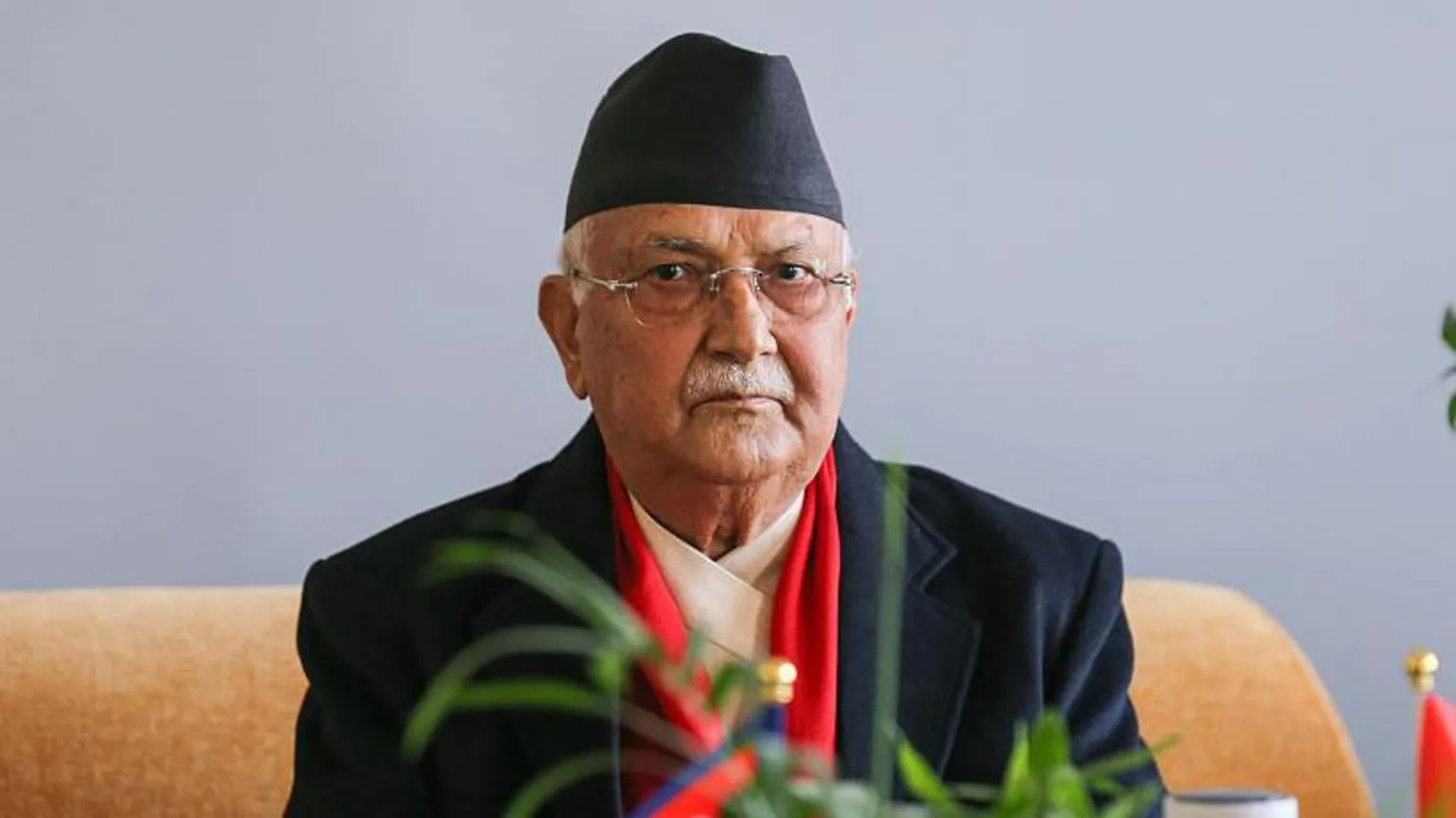
Nepal’s political scene has been shaken after former prime minister KP Sharma Oli was taken into custody over his alleged role in a deadly crackdown on protests that left dozens of people dead during unrest last year.
He was arrested together with former home minister Ramesh Lekhak after a government-appointed panel that investigated the violence recommended that both be prosecuted for criminal negligence.
Authorities confirmed that the arrests were made on Saturday and said the legal process will now take its course, although no formal charges have been filed yet.
Kathmandu Valley police spokesperson Om Adhikari said the two were detained and that procedures will continue in line with the law. The arrests come at a time of political transition, just a day after a new prime minister was sworn into office.
The unrest under investigation began in September last year after the government imposed a ban on social media platforms, sparking widespread anger among citizens. The protests were also driven by deeper issues, including concerns over corruption, unemployment, and a struggling economy.
The demonstrations quickly spread across the country and turned violent. More than 70 people lost their lives during the protests, with reports indicating that many of the victims were shot by police. Among those killed were young people, including a teenager in school uniform, during what became known as the Gen-Z protests on 8 September.
The protests were not only about the social media restrictions but also reflected broader dissatisfaction with governance, including long-standing complaints about nepotism and economic hardship. As tensions escalated, violence spread to different parts of the country, with public buildings, police stations, and shops being set on fire.
Following the unrest, KP Sharma Oli stepped down on 9 September but later returned to contest in the election held on 5 March. The election resulted in a major political shift, with Balen Shah, a rapper-turned-politician, emerging as the new prime minister after his party secured a strong victory.
The investigation panel also linked former police chief Chandra Kuber Khapung to the events and recommended that he face legal action as part of the accountability process.
Oli has rejected the findings of the commission, describing them as unfair. He had earlier told the Annapurna Post that the allegations amounted to "character assassination and hate politics".
His legal team has also challenged the decision to detain him, arguing that the arrest is not justified at this stage of the investigation. They maintain that there is no risk of him fleeing or avoiding questioning.
Public reaction has been mixed. New home minister Sudan Gurung, who was previously involved in the protests, welcomed the arrests and described them as a step toward accountability.
"No one is above the law... This is not revenge against anyone, just the beginning of justice," he wrote on Instagram.
Families of those who died have continued to demand justice since the unrest, with at least 76 families calling for those responsible to be held accountable. The arrests are expected to intensify discussions around responsibility for the crackdown and the broader handling of the protests.